Oct 16, 2026Custom OEM Sourcing
Quick Release Pin Supplier in China: How to Vet One Before You Order?
Finding a quick release pin supplier in China is easy — finding one that consistently delivers the right specifications is another story. Before placing a bulk order, you need evidence.
Finding a quick release pin supplier in China is easy. Finding one that consistently delivers the right specifications is another story. A poorly manufactured pin can delay assembly, increase inspection costs, or create equipment safety concerns. Before placing a bulk order, you need more than an attractive quotation. You need evidence.
To vet a quick release pin supplier in China, I recommend checking seven things: manufacturing capability, technical knowledge, material traceability, dimensional inspection, quality documentation, sample performance, and delivery reliability. Request drawings, inspection records, and representative samples before committing to production. Verify certifications independently and agree on measurable acceptance criteria. A reliable supplier should explain how its products meet your requirements, not simply promise excellent quality. These checks help you compare manufacturers, reduce purchasing uncertainty, and protect your business from expensive surprises.
I'm Jason from SKN Fastener, a China-based industrial fastener business established in 2010. In this guide, I'll explain how I would evaluate a supplier before trusting it with a production order.
1. How Can You Tell Whether a Quick Release Pin Supplier Is a Real Manufacturer?
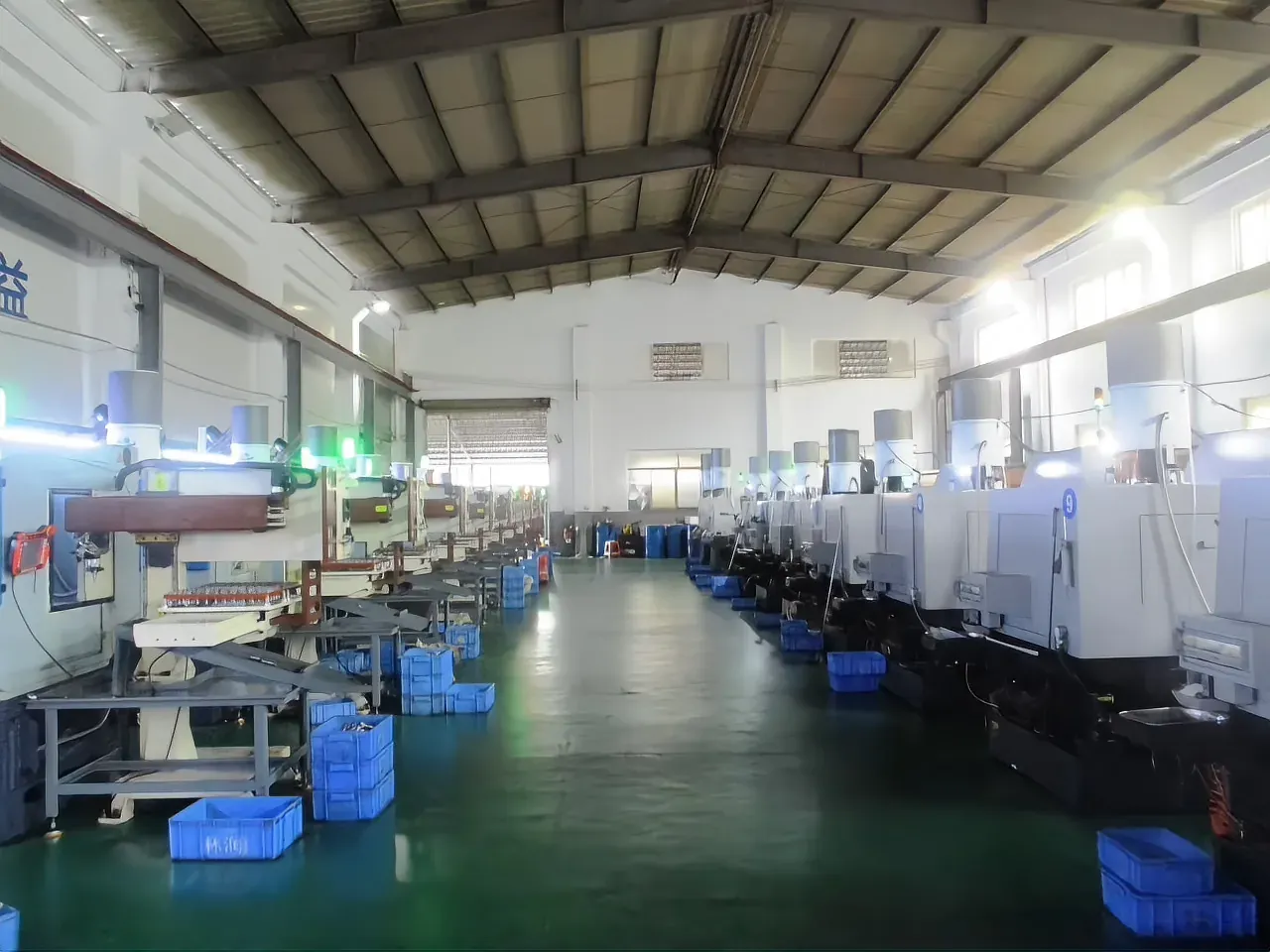
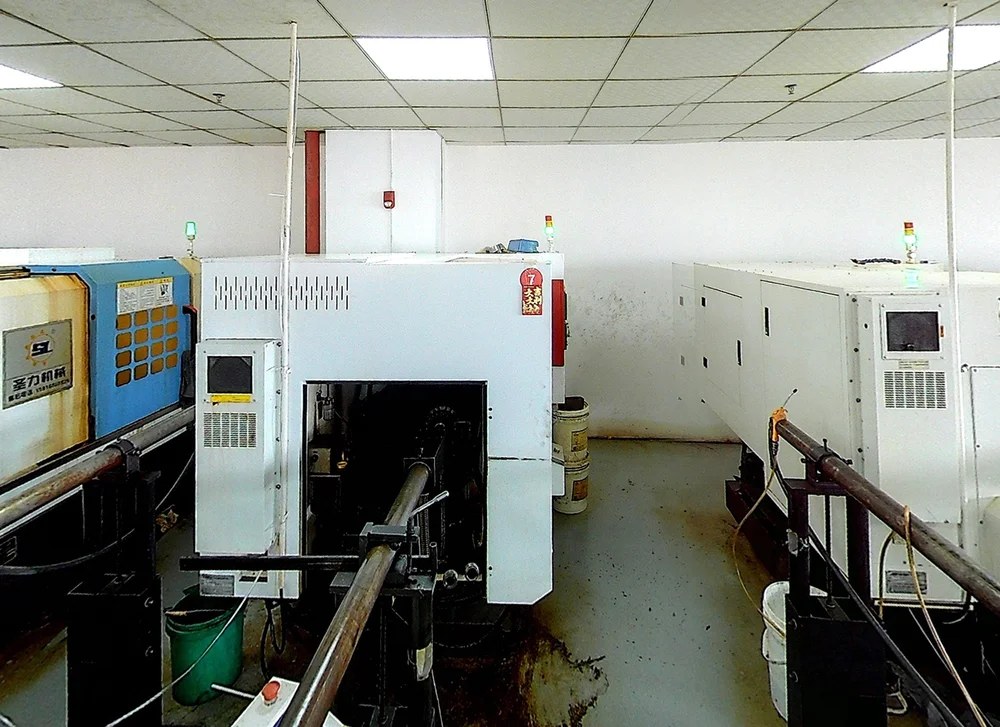
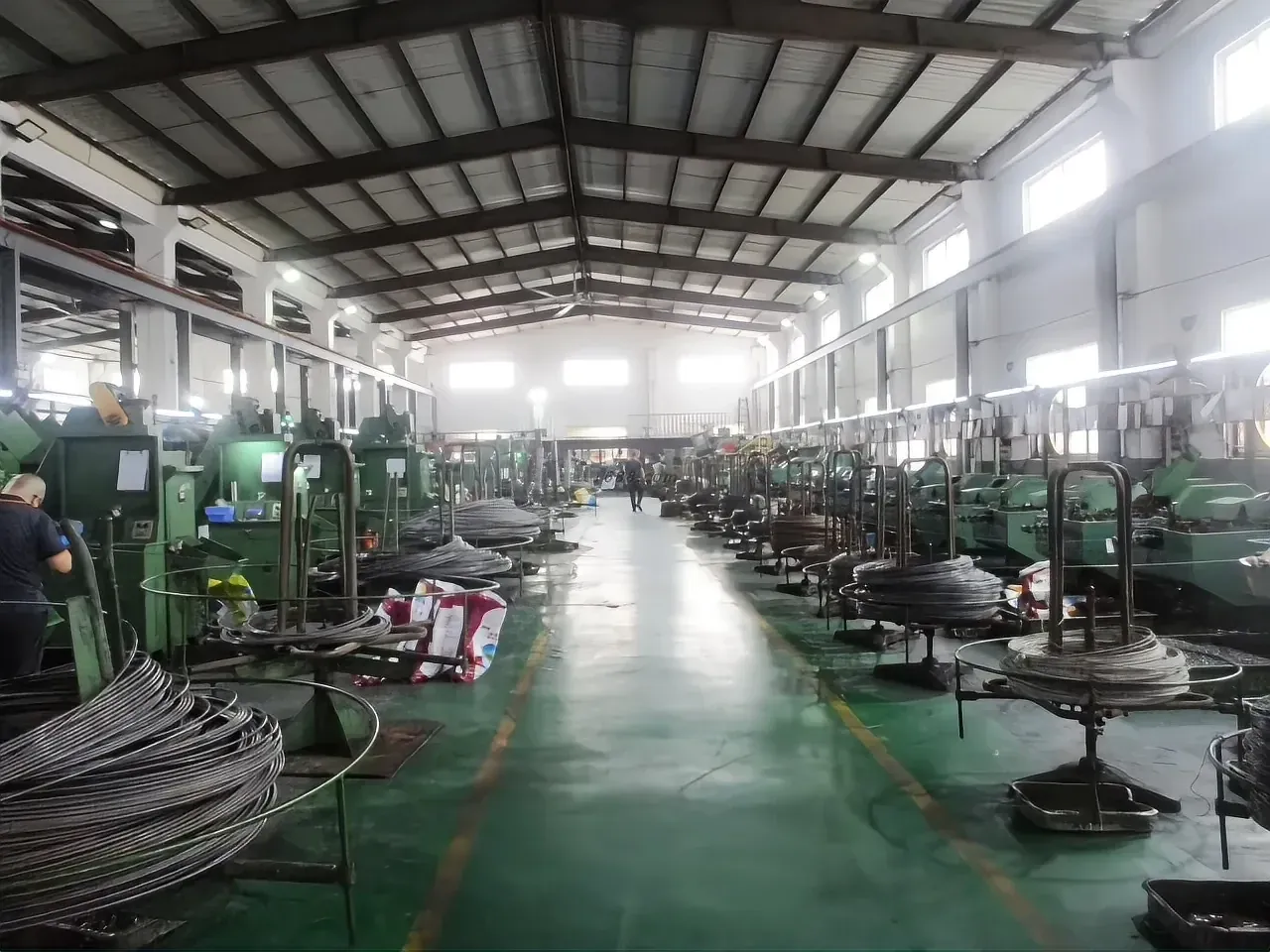
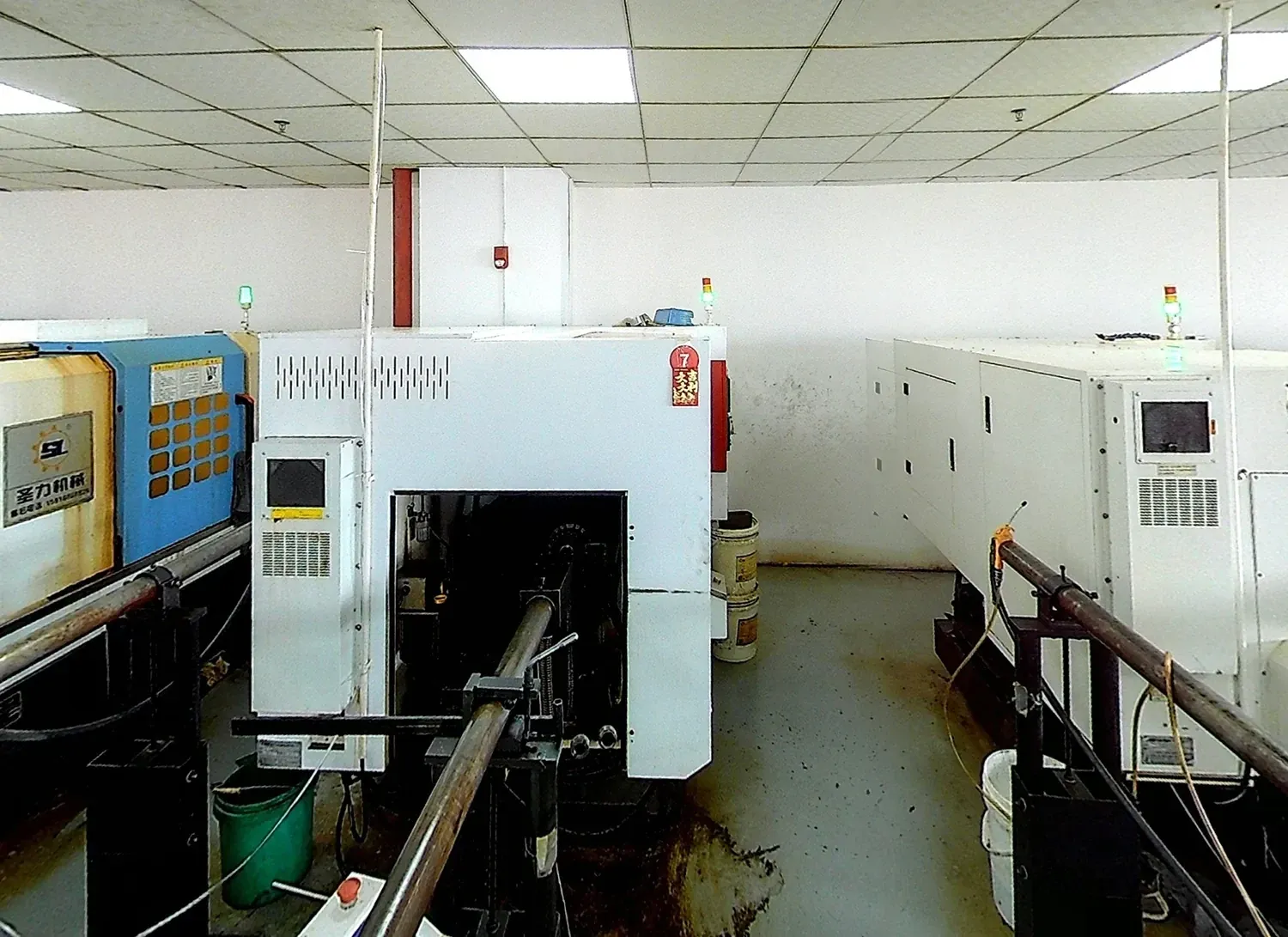
A polished website does not prove manufacturing capability. Neither does a factory photo borrowed from someone else's workshop. When I evaluate a potential manufacturing partner, I want to understand who actually makes the products, which processes are performed in-house, and which operations are subcontracted.
Start with the supplier's registered business name, factory address, business license, and manufacturing capabilities. Request a live factory walkthrough if an on-site visit is impractical. Ask to see production equipment, inspection areas, material storage, and finished-product handling. A trading company can still be a useful supplier, but buyers deserve to know who controls production and quality.
A useful factory evaluation should cover:
Verification item | What to request | Why it matters |
|---|---|---|
Business identity | Registration documents | Confirms the legal supplier |
Factory capability | Equipment list and live walkthrough | Helps establish actual production scope |
Engineering support | Drawing review process | Reduces specification errors |
Quality control | Sample inspection records | Shows how conformity is checked |
Subcontracting | List of outsourced processes | Clarifies accountability |
Capacity | Production schedule and realistic lead time | Supports delivery planning |
At SKN Fastener, our company history begins in 2010. But I would never suggest choosing us simply because we have been in business for years. Experience matters only when a supplier can demonstrate that its manufacturing processes meet your particular requirements.
Our About Us page lists the full manufacturing capability overview.
2. What Technical Knowledge Should a Quick Release Pin Supplier Have?
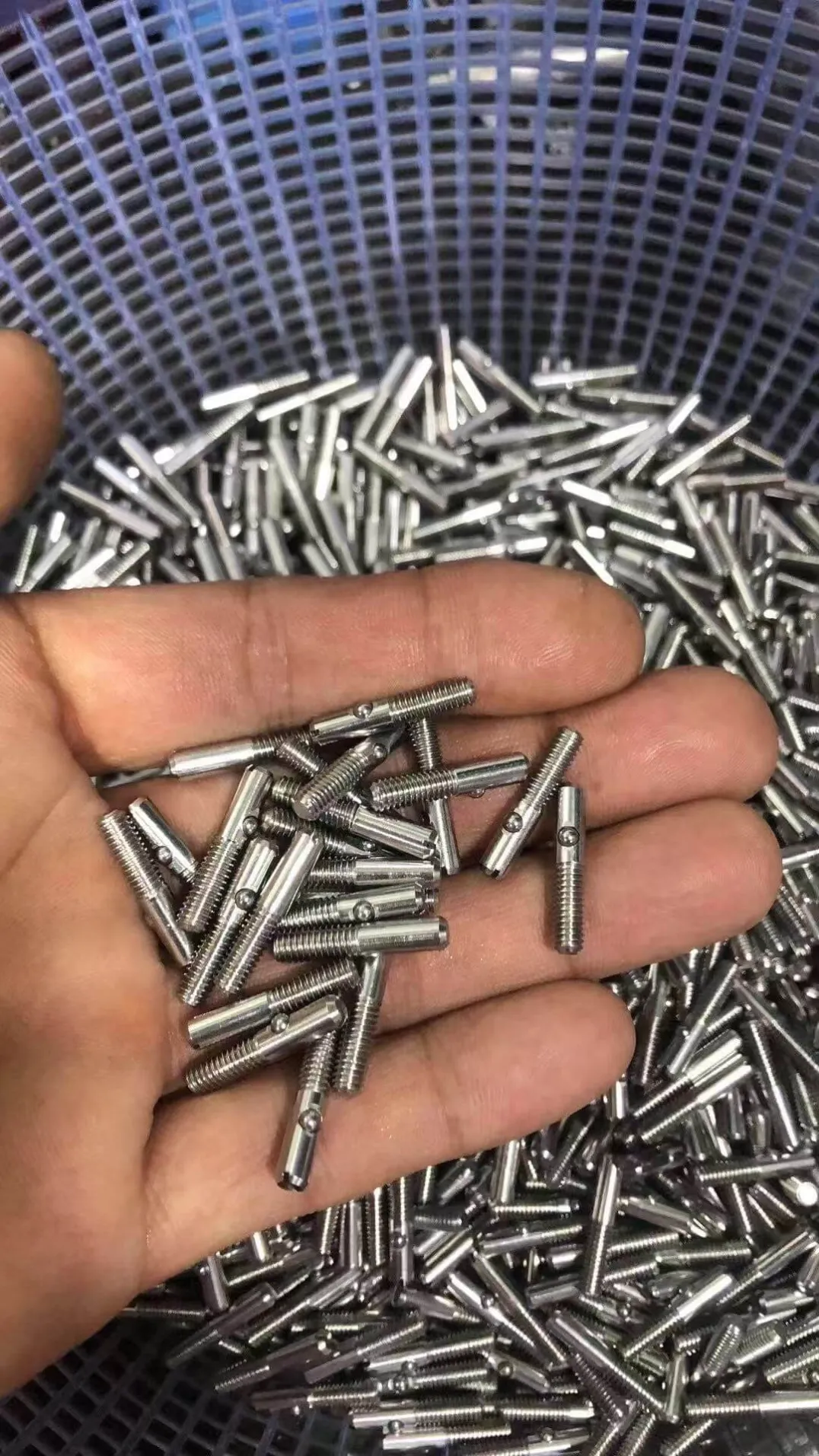
A quick release pin may appear simple, but its performance depends on several interacting components. These can include the pin body, retaining balls or other locking elements, internal springs, and operating mechanisms. The exact design varies by product.
A knowledgeable supplier should ask where the pin will be used, how frequently it will be removed, whether it carries a load, and what environmental conditions it will face. If someone quotes a pin without understanding these details, I would investigate further.
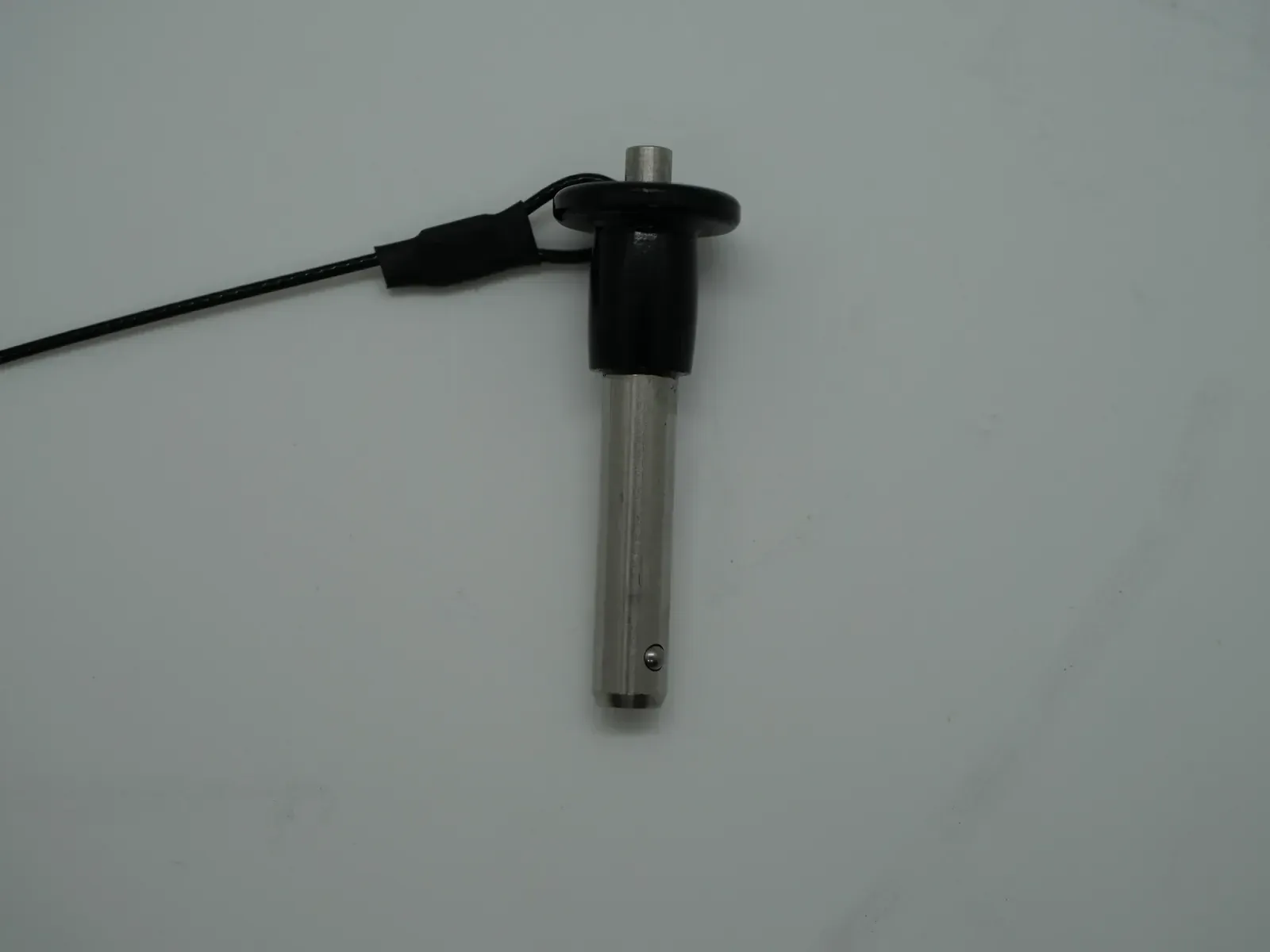
For a typical ball-lock design, the locking balls retract during release and extend to retain the pin after engagement. However, a functioning locking mechanism does not automatically establish the pin's allowable load capacity.
I would expect a supplier to distinguish between shear loading, tensile loading, retention force, and operating force. These are not interchangeable. A pin suitable for positioning a fixture may be unsuitable for securing a safety-critical structural connection.
Ask these technical questions before accepting a quotation:
– What pin diameter and usable grip length are required?
– How does the locking mechanism engage and release?
– What loads will the assembly apply, and in which directions?
– What mating-hole dimensions and tolerances are specified?
– Will the pin encounter moisture, chemicals, vibration, or temperature extremes?
– What inspection or functional tests can establish suitability?
Our quick release pins category page lists the standard range and size options.
3. How Do You Verify the Material Used in Quick Release Pins?
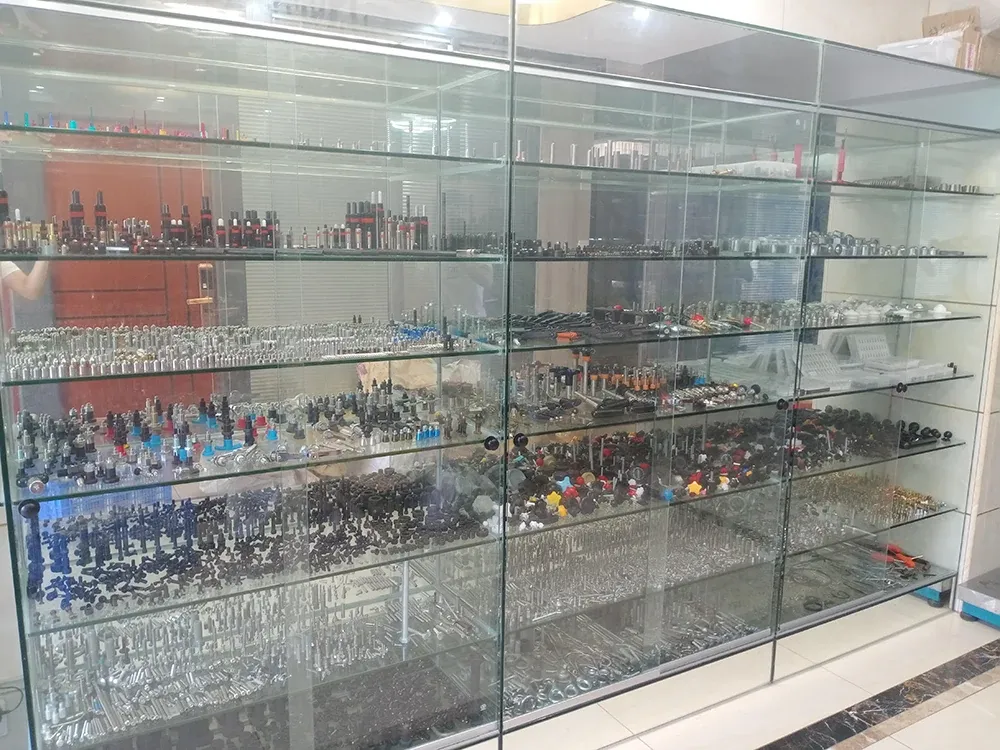
Material selection affects corrosion resistance, strength, wear behavior, and production cost. Stainless steels are common choices, but the word stainless tells me far less than I need to know.
For example, 304 and 316 stainless steels have different compositions and corrosion-resistance characteristics. Meanwhile, some applications may require hardened steel, specialized alloys, or different materials for the body and internal components.
Here is a practical starting point:
Material option | Potential advantage | Important consideration |
|---|---|---|
304 stainless steel | General corrosion resistance | Check exposure to chlorides |
316 stainless steel | Improved resistance in many chloride-containing environments | Verify the actual grade and operating conditions |
Carbon or alloy steel | Various strength and hardening options | May require corrosion protection |
Hardened stainless steel | Potential wear or strength benefits | Properties depend on alloy and heat treatment |
These are general material-selection considerations, not guaranteed properties of a finished pin. Final performance also depends on design, processing, and testing.
I recommend requesting a material certificate linked to the actual production batch. For higher-risk orders, consider independent material verification, such as positive material identification or laboratory chemical analysis, using a method appropriate to the alloy.
Be careful with standards. For example, ASTM F593-24 covers specified stainless steel bolts, hex cap screws, and studs. It should not automatically be presented as a product standard for every quick release pin. 
4. Which Dimensions and Tolerances Should You Check Before Ordering?
A pin that looks correct can still fit poorly. Excessive clearance may create unwanted movement. Insufficient clearance may prevent installation or produce difficult operation.
I would never approve a production run based only on a product photograph or a vague diameter description. The supplier and buyer should work from an approved drawing that identifies critical dimensions, tolerances, and inspection requirements.
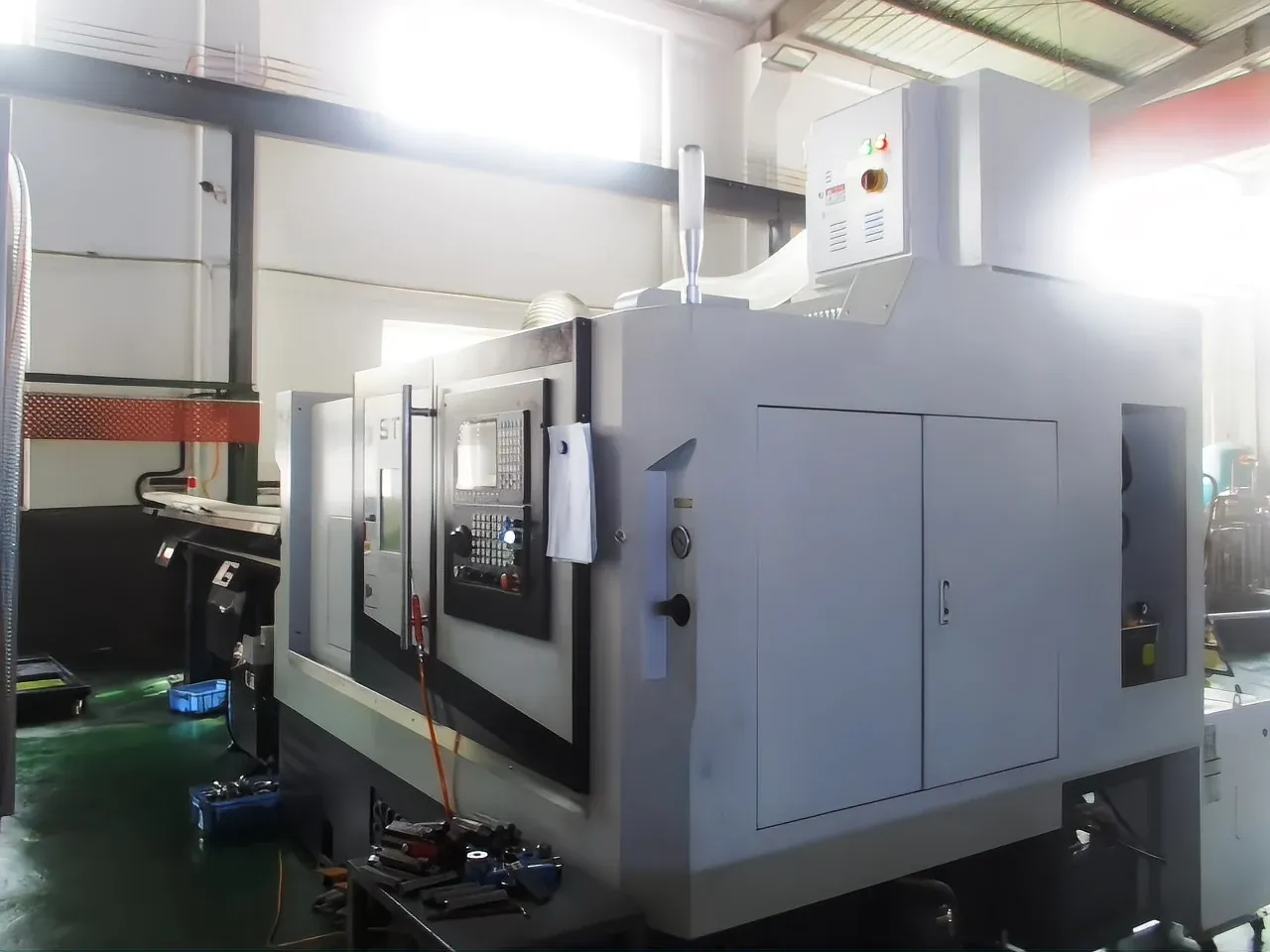
The most important characteristics commonly include shaft diameter, usable grip length, overall length, locking-ball extension, and the geometry of the mating parts.
Feature | Why buyers should verify it |
|---|---|
Shaft diameter | Controls fit with the mating hole |
Usable grip length | Determines compatibility with assembly thickness |
Overall length | Affects available installation space |
Locking-ball position | Influences retention and engagement |
Surface finish | May affect fit, wear, and operation |
Geometric tolerances | Help control straightness, position, and related geometry |
For complex requirements, geometric dimensioning and tolerancing can clarify how features must relate to one another. ISO 1101:2017 provides a recognized framework for geometrical tolerancing. 
I recommend identifying critical-to-function dimensions on the drawing rather than applying unnecessarily tight tolerances everywhere. Precision costs money. It should solve a defined engineering problem.
Our custom precision fasteners are manufactured to drawing as well.
5. How Can You Check a Supplier's Quality Control Process?
Every supplier claims to deliver high quality. I prefer inspection records to adjectives.
A meaningful quality system should explain how raw materials are checked, how production is monitored, how measuring equipment is controlled, and how nonconforming products are handled. For repeat orders, the supplier should also explain how it maintains consistency between batches.
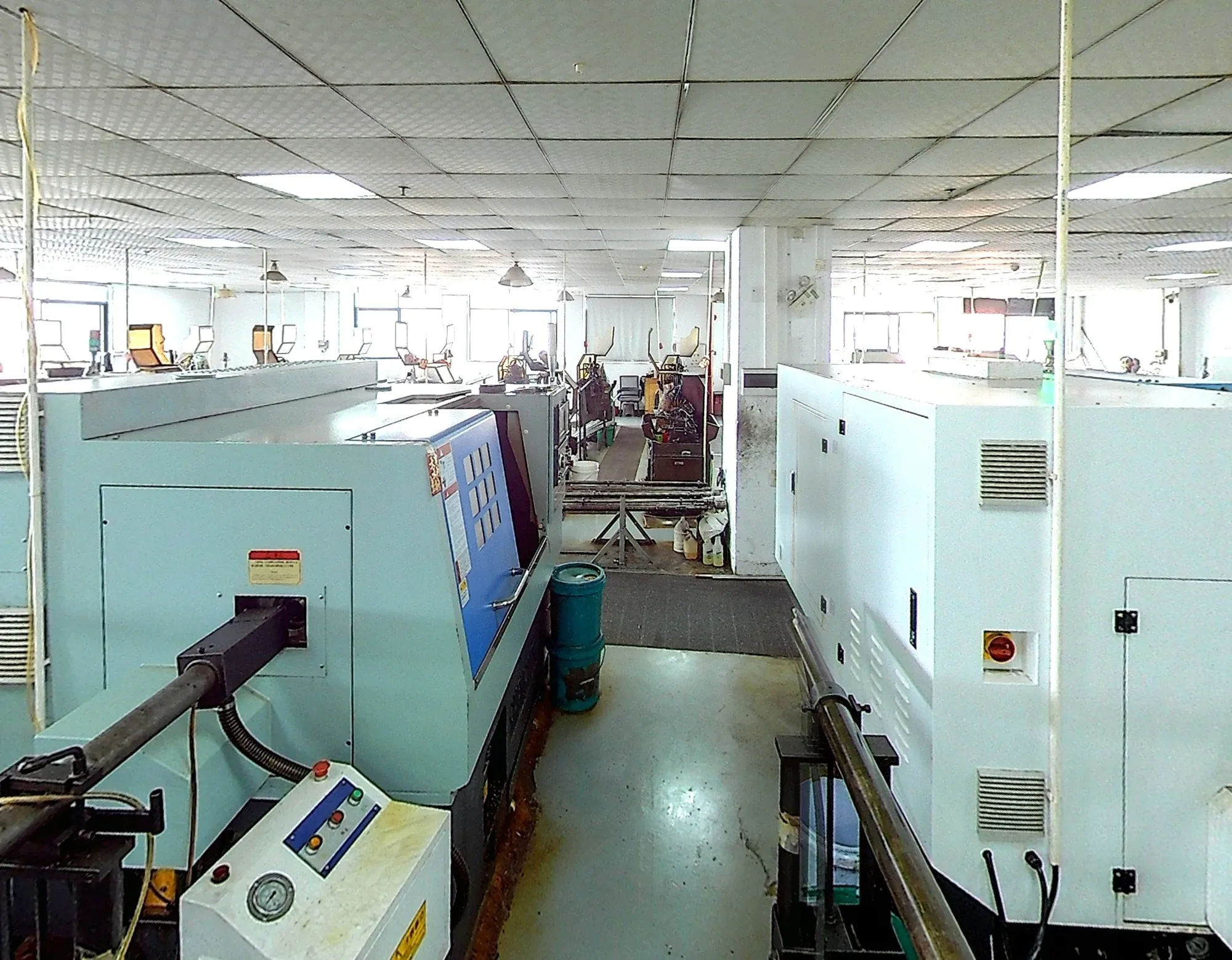
I would separate quality verification into three stages:
Inspection stage | Typical checks | Evidence to request |
|---|---|---|
Incoming inspection | Material identity, incoming component condition | Material records and receiving reports |
In-process inspection | Critical dimensions, machining quality, assembly consistency | Measurement records and process-control documents |
Final inspection | Dimensions, locking operation, appearance, specified performance | Final inspection report and agreed test results |
For lot-by-lot acceptance inspection, ISO 2859-1:2026 provides sampling schemes indexed by acceptance quality limit (AQL). Sampling plans help manage inspection decisions, but they do not guarantee that every accepted component is defect-free. 
The buyer and supplier must agree on sample size, inspection level, defect classification, and acceptance rules before shipment. For safety-critical characteristics, ordinary attribute sampling may be insufficient. Additional testing or more extensive inspection may be necessary.
6. What Certifications and Documents Should You Request?
Certificates can support supplier evaluation, but they are not substitutes for product verification.
A manufacturer may hold an ISO 9001 quality management certificate, for example. That concerns its management system. It does not prove that a particular quick release pin meets a specified shear-load requirement or material grade.
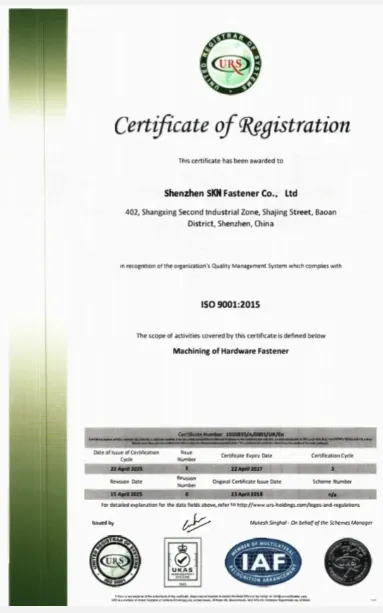
I would ask for the following documents, depending on the order:
– Business registration and supplier identification.
– Relevant quality management certification, if claimed.
– Approved product drawing and technical specification.
– Material certificate for the applicable production batch.
– Dimensional inspection report.
– Functional or mechanical test report where required.
– Lot identification and traceability information.
The ISO 9001 official standard information explains the quality management framework. ISO certification should be checked with the issuing certification body and, where applicable, its accreditation arrangements. 
I would verify the legal company name, certificate scope, validity, and covered site. If a certificate belongs to a different company, a different production location, or an unrelated scope, further explanation is necessary.
Also, not every market requires the same regulatory documentation. Buyers should identify applicable product-specific and end-use requirements rather than requesting generic certificates that provide little relevant assurance.
7. Why Should You Test Samples Before Placing a Bulk Order?
I consider sample approval one of the most useful steps in supplier qualification. It allows the buyer to examine the physical product instead of relying entirely on drawings, photographs, and promises.
However, a carefully prepared sample may not represent normal production. I recommend asking whether it was made using the intended production materials, processes, tooling, and component sources. For custom products, the first-off production sample may provide more useful evidence than a generic catalog sample.
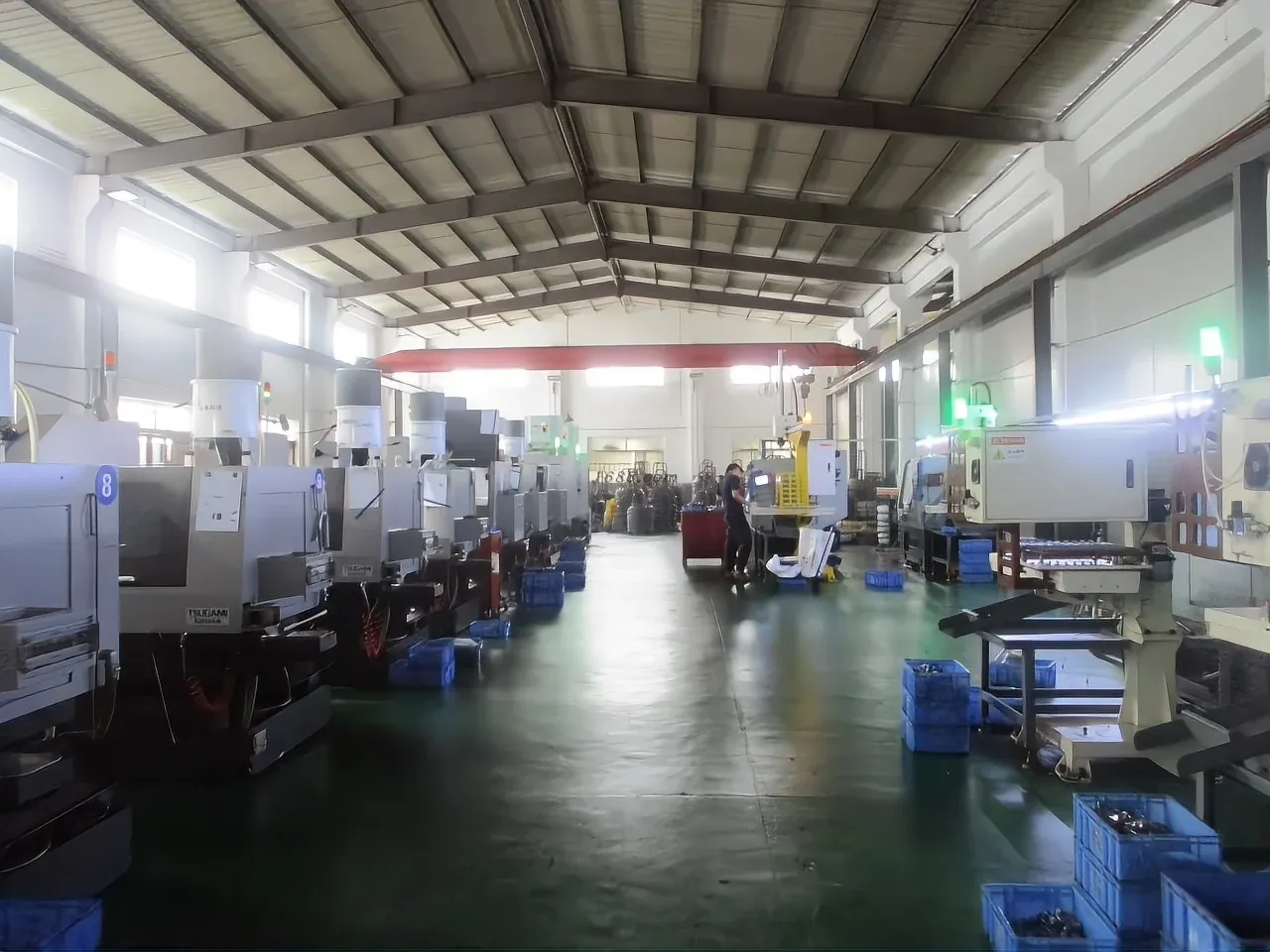
A practical sample evaluation can include:
Test | What to examine |
|---|---|
Dimensional inspection | Conformity with approved drawing |
Installation test | Fit and insertion behavior |
Locking test | Engagement and release function |
Operating-force measurement | Whether actuation meets the agreed specification |
Load testing | Performance under defined conditions |
Repeated-operation testing | Wear and functional change over an agreed cycle count |
Environmental testing | Suitability for the intended exposure, when necessary |
I would not specify a universal test load or cycle count without understanding the product design and application. Such values need a technical basis.
For example, if a customer needs frequent tool-free removal, repeated-operation testing may be important. If the pin carries a defined mechanical load, an appropriate strength or proof-load assessment deserves greater attention.
8. How Do You Evaluate MOQ, Pricing, and Production Lead Time?
A lower unit price is attractive. An unexpected production delay is not.
When comparing Chinese quick release pin suppliers, I suggest looking beyond the quoted price. Evaluate minimum order quantity (MOQ), sample costs, possible tooling charges, packaging, shipping terms, inspection costs, and the cost of handling defective products.
A quote is useful only when you know what it includes.
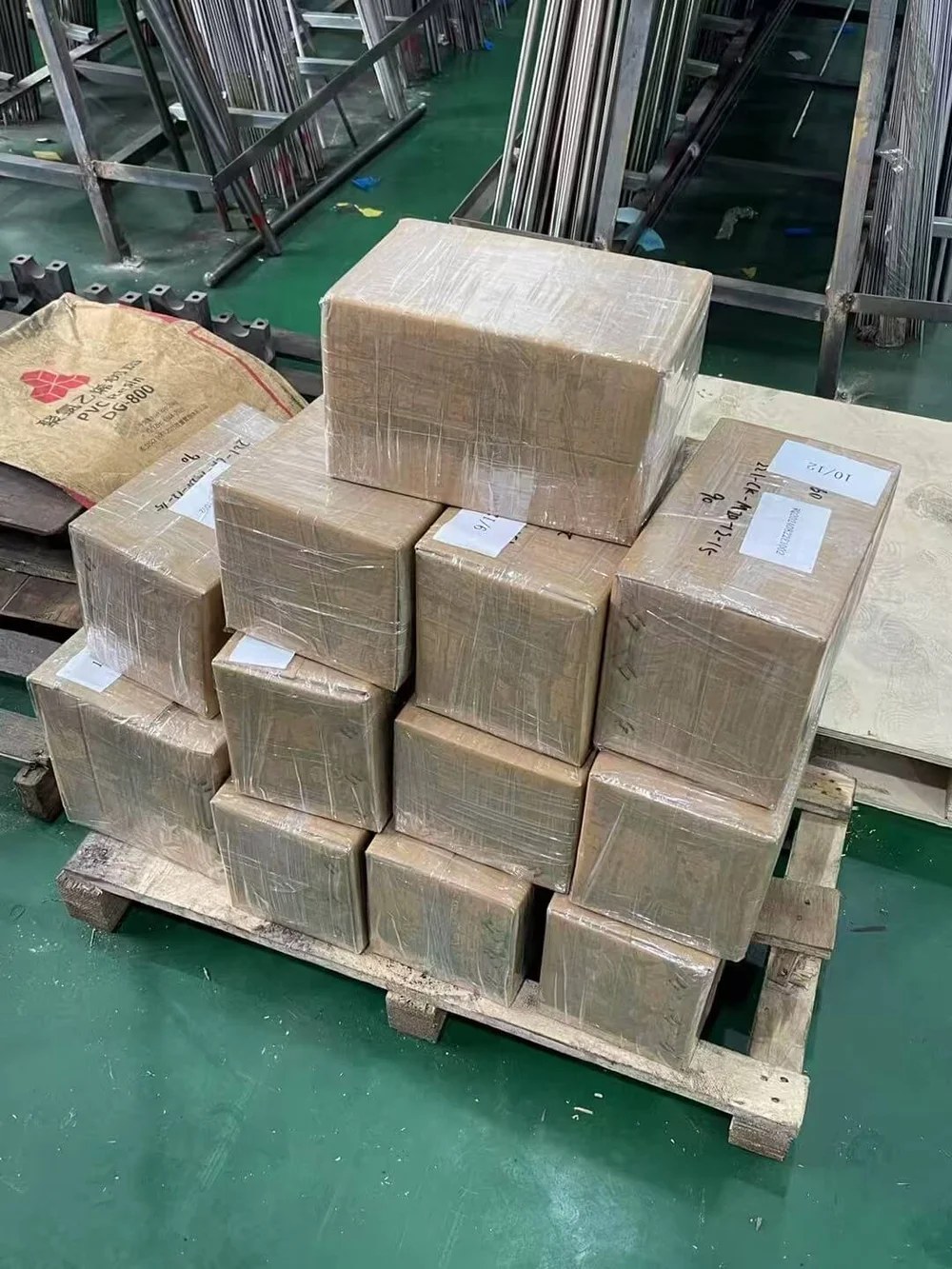
Ask your supplier to explain the differences between prototype, pilot-order, and volume-production pricing. Small orders may have higher unit costs because setup, programming, material procurement, and inspection costs are spread over fewer parts.
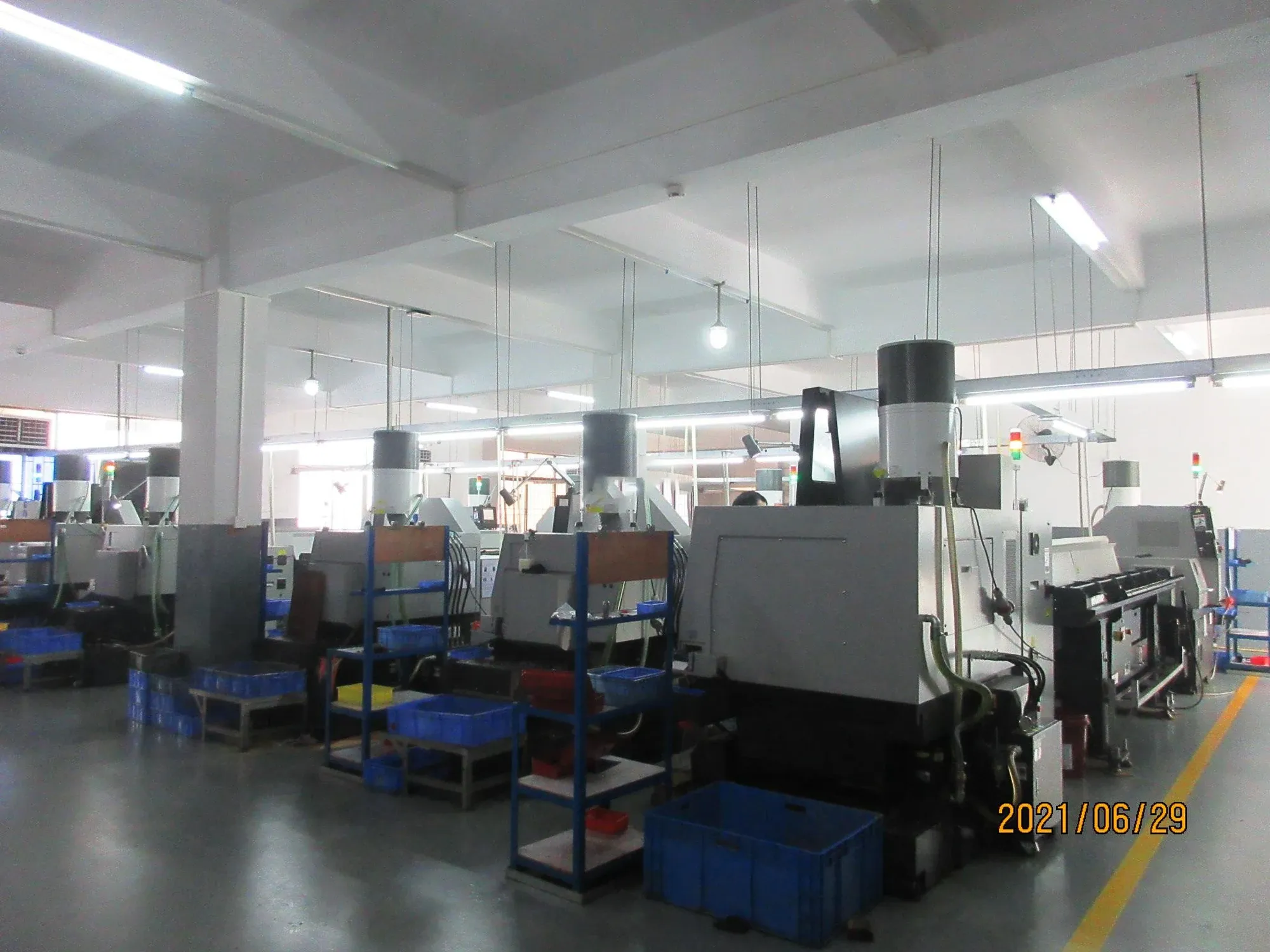
For custom quick release pins, lead time can depend on material availability, component complexity, production scheduling, outsourced treatments, inspection requirements, and order volume.
Instead of requesting one vague delivery promise, I recommend agreeing on milestones: drawing approval, material readiness, sample approval, production completion, inspection, and dispatch.
Custom fastener manufacturing and OEM services are handled in-house.
9. What Communication Warning Signs Should B2B Buyers Watch For?
Poor communication during supplier qualification can become a serious problem during production.
When I assess a supplier, I pay attention to whether the team answers technical questions directly. Do they confirm drawing revisions? Do they identify missing specifications? Can they explain potential manufacturing difficulties?
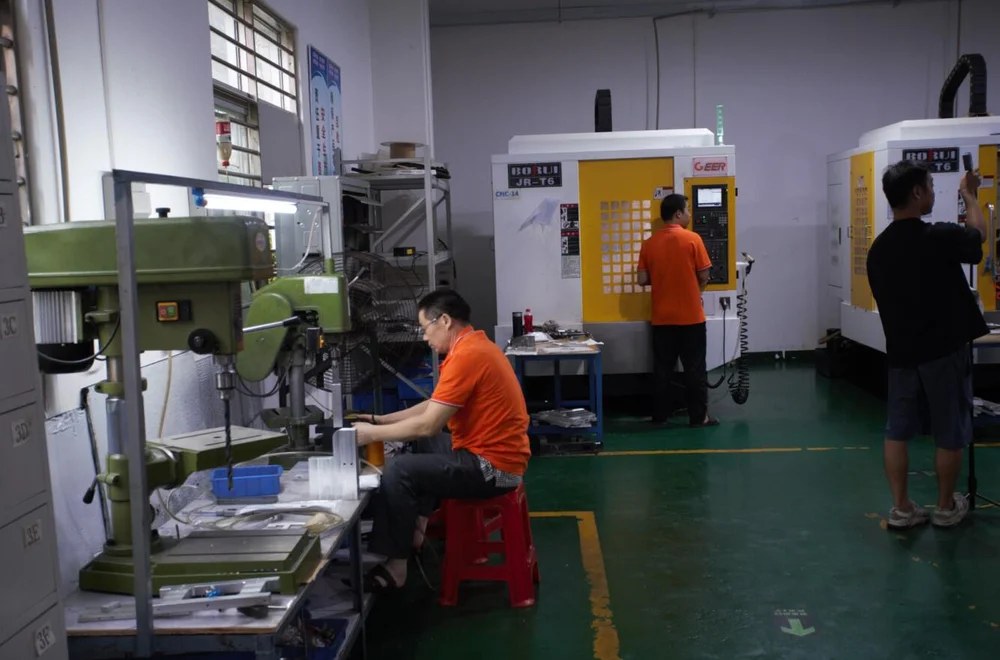
Some warning signs deserve investigation:
– Quoting without reviewing a technical drawing or application requirements.
– Promising any tolerance without discussing feasibility.
– Refusing reasonable requests for traceability or inspection information.
– Claiming every certificate is available but providing none for verification.
– Avoiding questions about subcontracted processes.
– Providing contradictory production schedules.
I prefer a supplier who admits a technical limitation and proposes an alternative over one who agrees to everything.
At SKN Fastener, I believe clear technical communication should come before a purchase order. A manufacturer and buyer need a shared understanding of what is being made, how it will be inspected, and what constitutes acceptance.
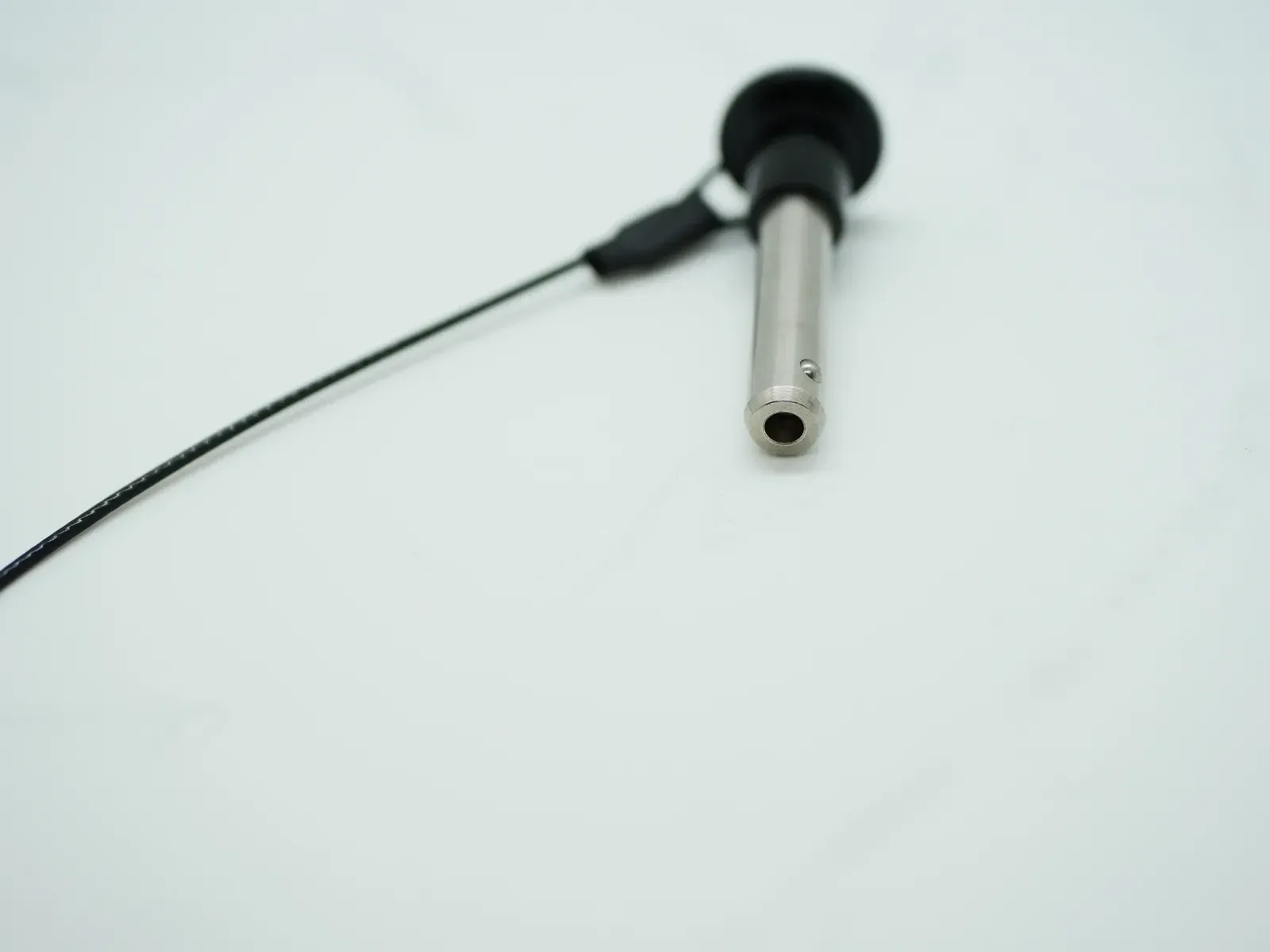
10. Should You Choose a Chinese Manufacturer or a Trading Company?
There is no universal winner. The right choice depends on who can control the requirements that matter to your project.
A direct manufacturer may provide closer access to production engineering, process planning, and quality records. A trading company may offer broader sourcing options and consolidated purchasing. Neither structure automatically guarantees better pricing or quality.
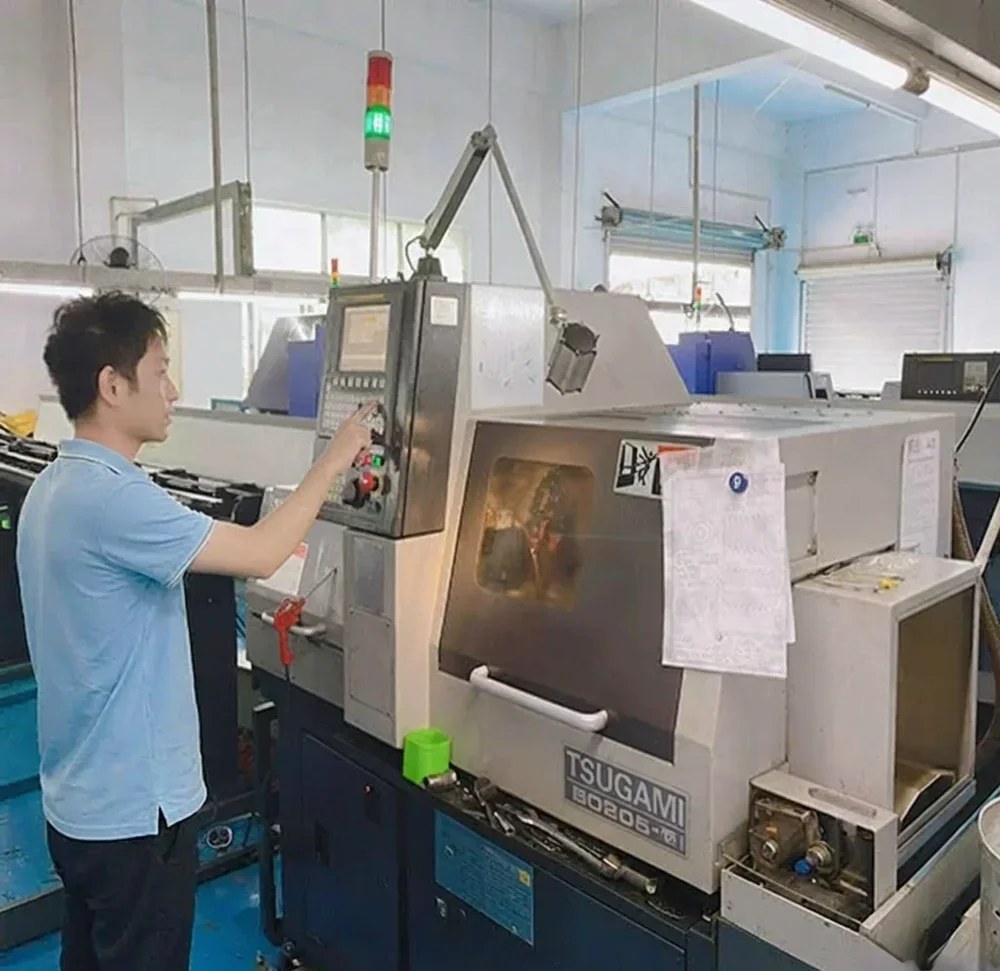
Here is how I would compare them:
Evaluation factor | Direct manufacturer | Trading company |
|---|---|---|
Production control | Potentially direct | Depends on manufacturing partners |
Product range | Often linked to manufacturing scope | May source across multiple factories |
Engineering communication | Potentially direct access | May involve an intermediary |
Quality accountability | Must be verified | Must be verified across suppliers |
Customization | Depends on production capability | Depends on manufacturing network |
Price transparency | Depends on quotation | Depends on sourcing arrangements |
My preference is to choose based on demonstrable capabilities rather than the label on the company's website.
For custom pins with critical dimensions or functional requirements, I would place particular weight on how directly the supplier can resolve engineering and production problems.
11. What Should Be Included in a Quick Release Pin Purchase Order?
Even a well-qualified supplier can produce the wrong part if the purchase order leaves important details open to interpretation.
I recommend treating the purchase order as the final connection between your engineering requirements and commercial agreement. It should reference the approved drawing revision, material requirements, quantity, inspection criteria, packaging, delivery terms, and handling of nonconforming products.
For larger or repeat orders, consider agreeing on change-control procedures. A change in material source, manufacturing location, component design, or critical production process may require notification and approval before implementation.
This matters because a product that performs correctly during sample testing can change if its manufacturing conditions change later.
I would also specify whether the supplier must provide inspection records with each shipment and how batches should be identified. Those details can make investigation much easier if a problem appears after delivery.
12. What Should Be on Your Final Supplier Vetting Checklist?
Before approving a quick release pin supplier in China, I recommend completing one final review. It should bring together commercial, technical, and quality requirements.
Use the following checklist during your supplier evaluation:
Supplier Vetting Checklist
Verified supplier identity and manufacturing location
Confirmed production capabilities and subcontracted operations
Approved technical drawing and critical dimensions
Confirmed material grades and traceability requirements
Reviewed quality procedures and sample inspection records
Independently checked any claimed certifications
Tested representative samples for fit and function
Agreed on any required mechanical or environmental tests
Confirmed MOQ, pricing, tooling, and payment terms
Approved lead times, inspection plan, and shipping terms
Established drawing revision and change-control procedures
Defined rejection, corrective-action, and dispute procedures
A supplier does not need to score perfectly on every optional preference. But unresolved issues involving product safety, critical dimensions, traceability, or contractual requirements should be addressed before production authorization.
The strongest supplier relationship starts with clear requirements, realistic promises, and evidence that can be checked.
Conclusion
Choosing a quick release pin supplier in China requires more than comparing prices. Verify manufacturing capability, specifications, materials, inspection records, and delivery commitments before ordering.
At SKN Fastener, we welcome detailed technical discussions and custom fastening inquiries.
Contact SKN Fastener to discuss your quick release pin requirements.